Pin A Mosque on the Map Today
We can work together to transform these sacred spaces into active community resilience Hubs
Across the world, Muslim communities are at the frontlines of the climate crisis, facing intense heatwaves, deepened water scarcity, and rising energy poverty.
But what if a powerful solution is already sitting right at the heart of our neighborhoods?
It’s time to rethink the role of Mosques within local communities. By shifting our perspective from viewing mosques solely as places of worship to seeing them as centers for active socio-economic support to people, we can unlock incredible potential!
The Mosques as Community Resilience Hubs project aims to address local socio-economic needs alongside climate solutions to transform Mosques into decentralized lifelines, delivering clean water, renewable energy, and relief when systems fail.
Join us in expanding this vision and bringing life-saving infrastructure to the neighborhoods that need it most.
Pin a mosque on our map today and help us build a grid of 100+ potential local resilience hubs!
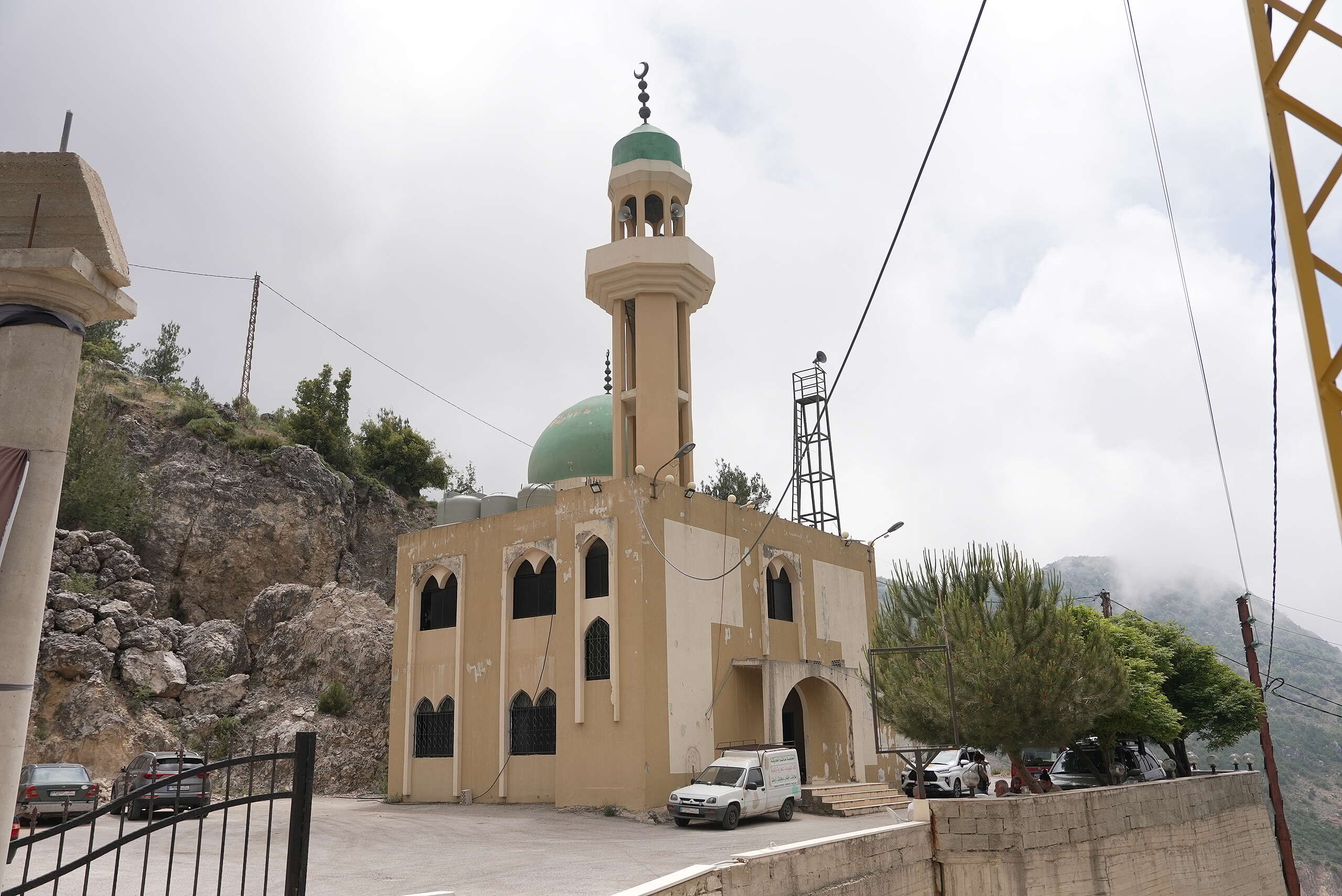
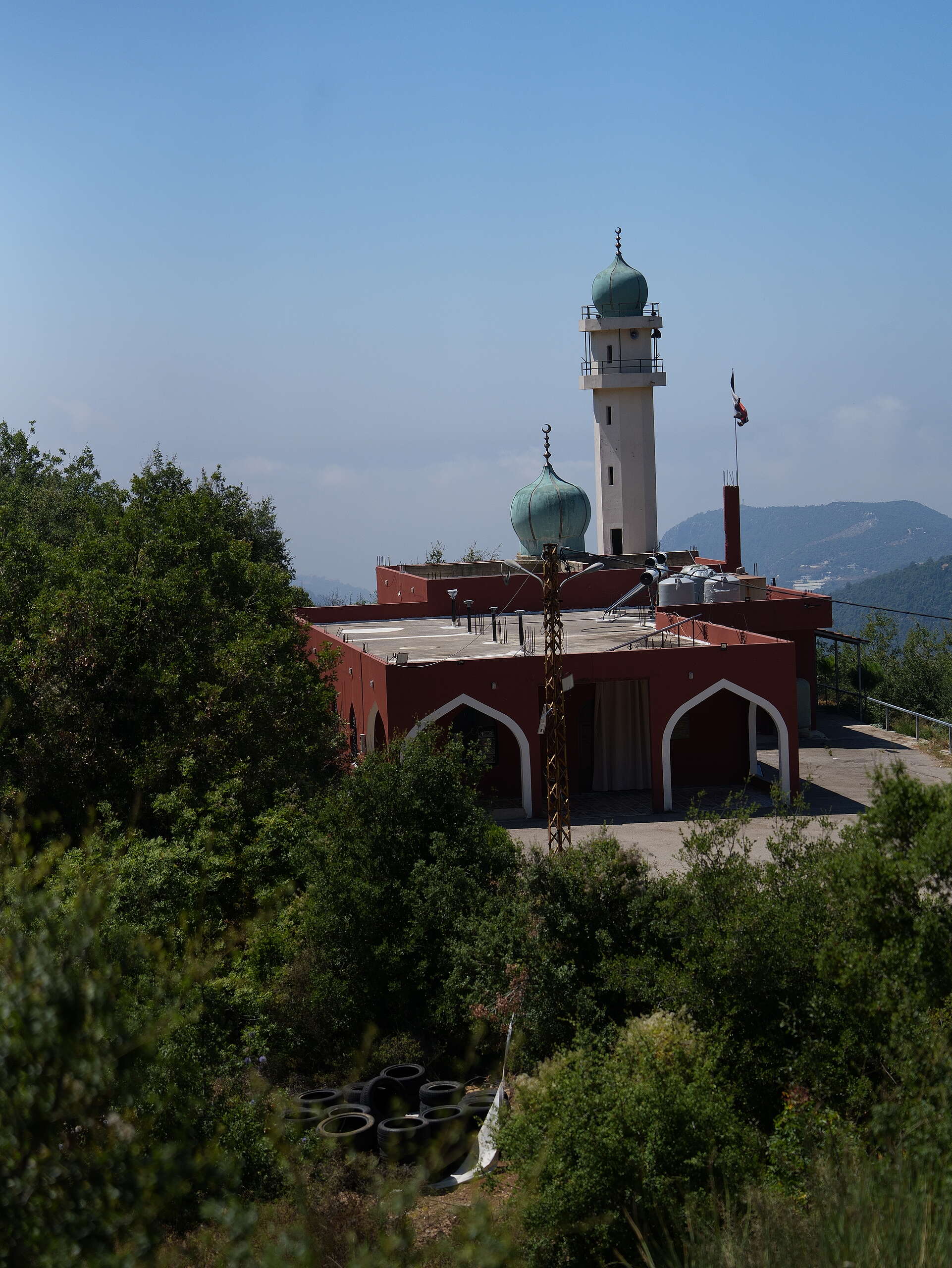
Examples of Mosques that served as centers of community resilience and solidarity