
Islamic Finance for Earth
Islamic finance manages over $5 trillion globally, projected to reach $8 trillion by 2030. Despite fundamental alignment between Islamic principles and environmental stewardship, less than 2% of these assets currently support climate solutions.

OVERVIEW
About the Campaign
Mobilizing Islamic Finance for Climate Action
This isn’t about adding green products to existing Islamic finance systems. It’s about fundamental transformation: from extractive to regenerative, from halal compliance to tayyib, from scripture to faith in action.
By redirecting just 5% of Islamic finance assets toward renewable energy and climate solutions by 2030, we can unlock an estimated $400 billion in climate finance, matching the scale needed for the Loss & Damage Fund under the UNFCCC.
Why This Matters
Muslim-majority countries face devastating climate impacts while their own financial systems enable the crisis. The MENA region contains 12 of the world’s 17 most water-stressed countries. Rising sea levels threaten Indonesia’s Java island (150 million people), Pakistan’s Indus Delta, and Bangladesh’s coast where 20 million face displacement.
Yet Islamic finance’s core principles create natural alignment with climate action: Khalifa (Stewardship), Al Mizan (Balance), La Darar (No Harm), and Hifz al-Nafs (Preservation of Life).
The Islamic Sustainable Finance Iinitative (ISFI)
The Islamic Sustainable Finance Initiative (ISFI) is a pioneering partnership between the Global Ethical Finance Initiative (GEFI), Islamic Finance Council UK (UKIFC), and Greenpeace MENA through the Ummah for Earth Alliance. Launched as a COP28 legacy project, ISFI responds to transformative regional commitments including the UAE Banks Federation’s AED 1 trillion sustainable finance pledge by 2030 and DIFC’s goal to train 1 million sustainability leaders.
The initiative serves as a transformative platform dedicated to creating systemic change through:
- Capacity Building: Practitioner-led programmes equipping Islamic finance professionals with the tools to integrate sustainability within a Shariah-compliant context.
- Thought Leadership: Addressing research gaps and pushing intellectual boundaries in Islamic sustainable finance.
- Round Tables: Focused dialogue sessions developing harmonized understanding on key sustainability topics specific to Islamic finance.
- Fellowship Programme: Cultivating the next generation of leaders who embrace a Tayyib approach, moving beyond halal compliance to actively creating benefit.
The Tayyib Inspired Approach
From Halal to Tayyib: Beyond Compliance to Benefit
While Islamic finance traditionally focuses on avoiding impermissible activities through negative screening (halal), a transformative shift is occurring toward tayyib, actively pursuing what benefits creation.
Current Islamic finance screening asks only “what’s forbidden?”
The concept of Tayyib transforms this paradigm. Where halal asks “Is this permissible?”, Tayyib demands “Does this create pure benefit?” Avoiding harm is insufficient; Islamic finance must pursue active regeneration.
Key Initiatives
Research & Reports
Our research challenges orthodox thinking through analysis that expands the boundaries of what’s considered possible within Islamic finance..
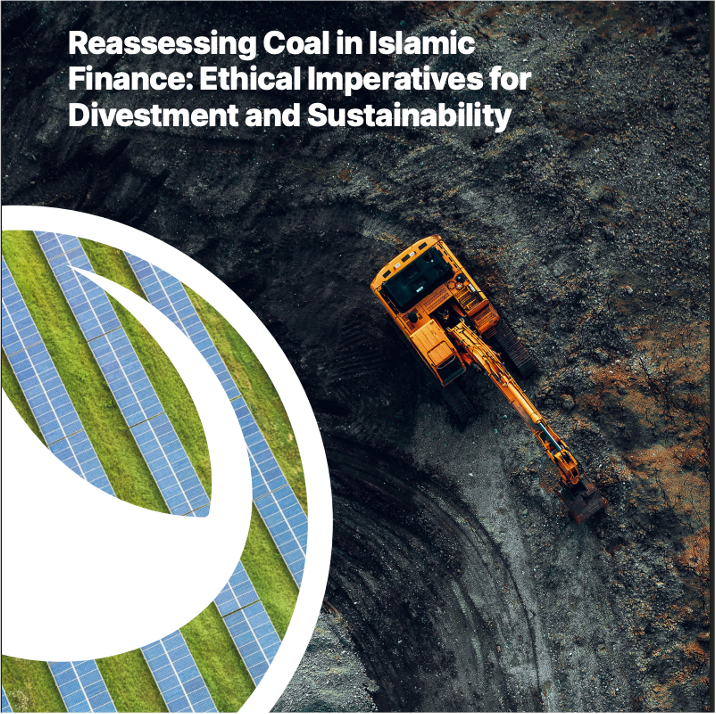
- Reassessing Coal in Islamic Finance: Ethical Imperatives for Divestment and Sustainability
- Coal is a major driver behind environmental and health crises across Muslim-majority countries: 150,000 annual premature deaths in Indonesia, 50,000 in Turkey, 30,000 in Malaysia. This paper explores jurisprudential parallels between tobacco prohibition and coal, introducing a darurah (necessity) scorecard for evaluating transition allowances.
- Download the paper
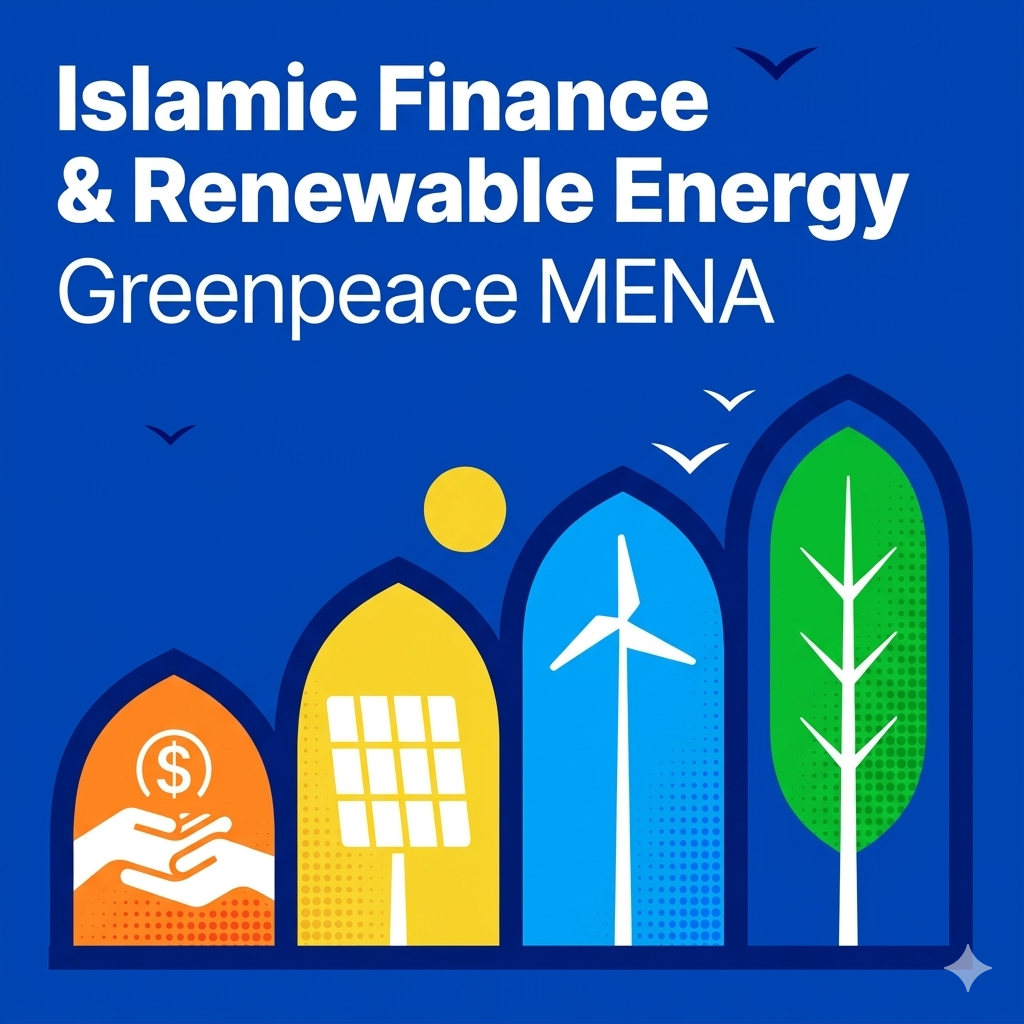
- Islamic Finance and Renewable Energy Report
- Comprehensive analysis of how Shariah-compliant financial instruments can drive the global transition to sustainable energy, featuring the EDUCATE framework for institutional transformation.
- Download the report
- EDUCATE Renewable Energy Toolkit
- Practical implementation guide for Islamic financial institutions to develop renewable energy financing strategies. Includes 8+ interactive workbooks covering stakeholder engagement, Shariah assessment, product selection, and impact reporting.
- Download the Toolkit
- Global Ethical Stocktake: Islamic Finance and the Restoration of Al-Mizan
- COP30 contribution examining why Islamic finance manages massive capital while Muslim communities suffer disproportionately from climate impacts. Features seven moral calls for COP30.
- Download the report
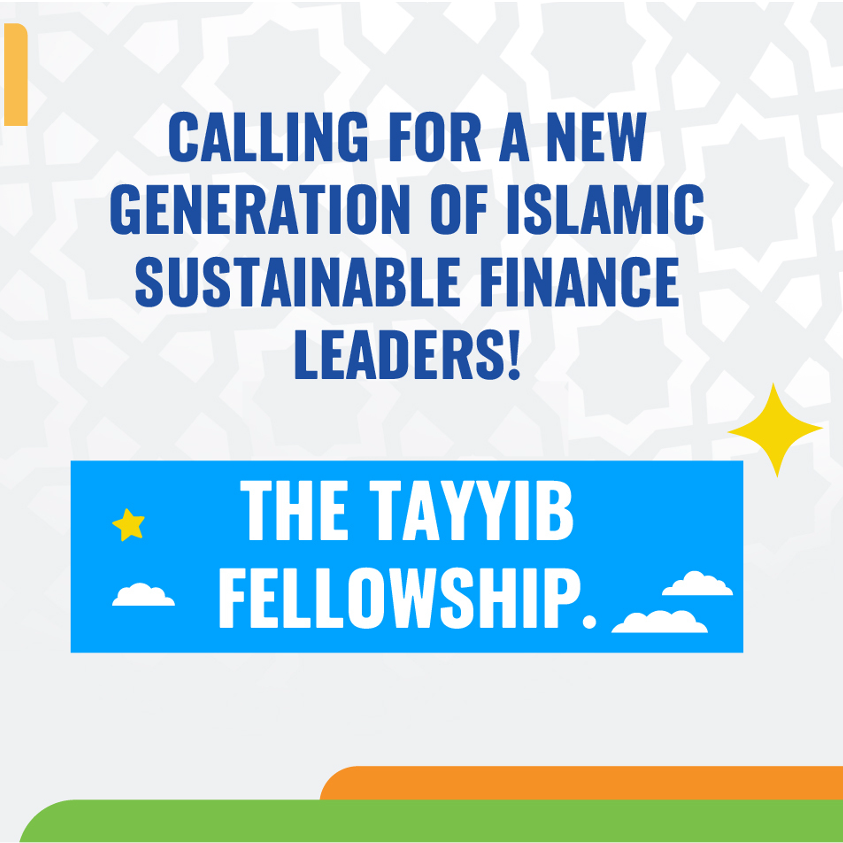
The Tayyib Fellowship
The Tayyib Fellowship is a 9-month virtual global leadership programme that cultivates leaders who embrace a Tayyib approach, transcending compliance to actively pursue what brings profound benefit to society and the environment.
In a UK Islamic Finance Council survey of 2,000 stakeholders across four continents, 90% of customers reported that it was important their bank offered sustainable products. Yet disconnection persists: 78% of Islamic banks want to finance renewable energy but only 12% have tried. Fewer than 5% of Islamic finance professionals understand renewable energy assessment.
The Fellowship addresses this critical gap by developing distributed capacity across institutions, creating a critical mass of change-makers resistant to institutional capture.
Round Tables and Events
Dialogues and Convenings Advancing Islamic Sustainable Finance
Our ISFI round table and events series brings together Islamic and sustainable finance leaders to develop harmonized understanding on key topics. These dialogues create space for honest conversation about challenges and opportunities, building consensus that drives institutional change.
- Islamic Sustainable Finance Masterclass Series (2025)
- A practitioner-led capacity-building programme designed to empower Islamic finance stakeholders (Link)
- Carbon Credits in Islamic Finance (2025)
- A roundtable exploring Shariah perspectives on carbon markets and crediting mechanisms (Link)
- Reassessing Coal in Islamic Finance(2025)
- A roundtable examining the jurisprudential basis for coal screening methodologies (Link)
- Where Islamic Finance Meets Renewable Energy (2026)
- A World Future Energy Summit Dialogue on our EDUCATE toolkit—a practical framework designed to support the renewable energy capacity of Islamic finance institutions (Link)
Our Partners

Join the Movement
Islamic finance stands at a historic crossroads. Add your name and be one of many Muslims around the world who demand Islamic Finance Institutions to increase investments in renewable energy and divest from harmful industries like coal .
For partnership inquiries, media requests, or to learn more about Islamic Finance for Earth Email : [email protected]